



August 30, 2024
Mastering the SWOT Analysis
KONEKT
digital transformation
innovation & transformation
A Strategic Guide for Digital Transformation
In the rapidly evolving digital landscape, businesses must continuously adapt and innovate to stay competitive. One of the simplest and most effective tools for understanding your business's strategic position and guiding digital transformation or innovation projects is the SWOT analysis. This guide will introduce you to the SWOT framework and provide practical steps for conducting one, ensuring your business is well-prepared for its digital journey.
What is a SWOT Analysis?
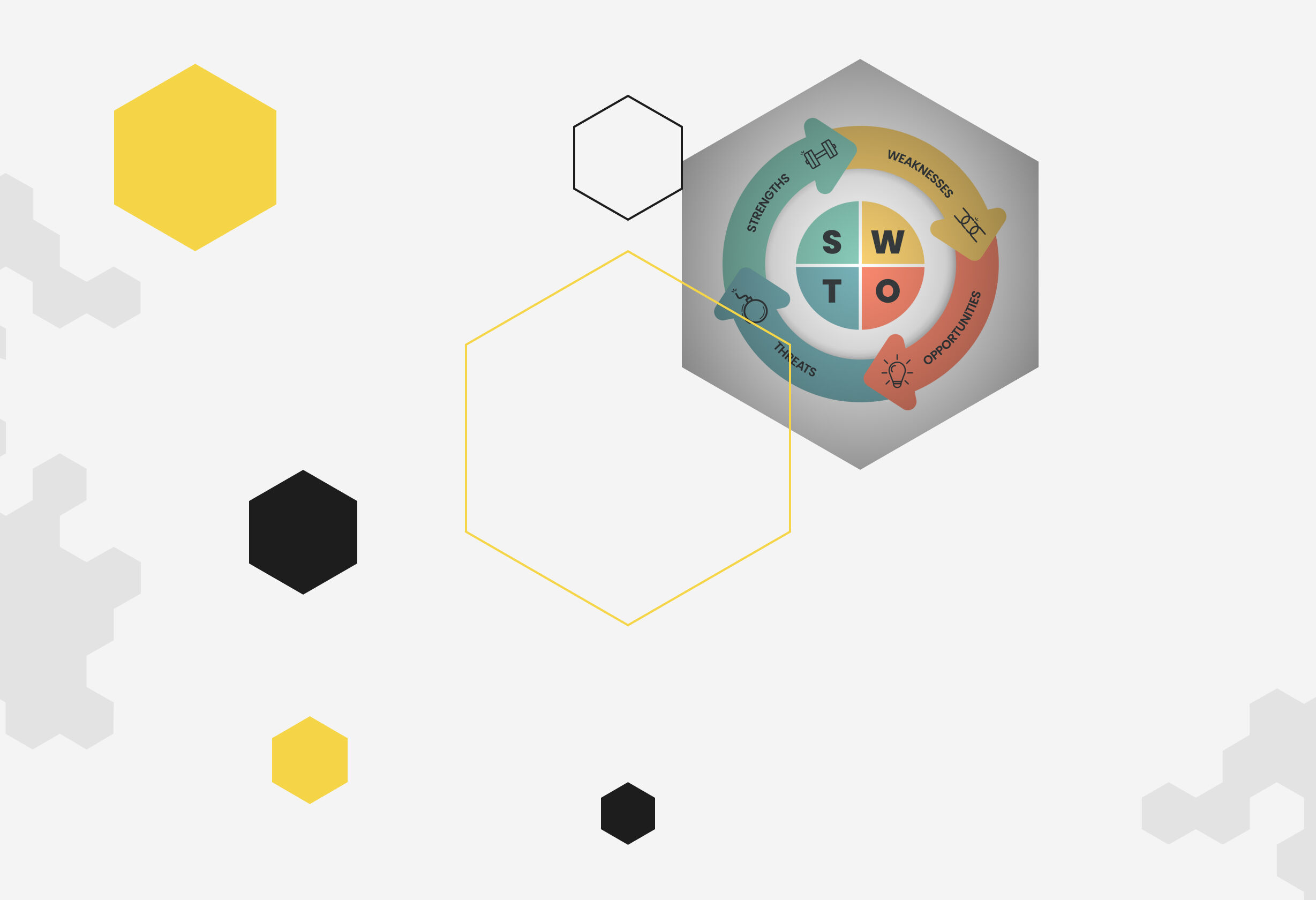
SWOT analysis is a strategic planning tool used to identify and analyse the internal and external factors that can impact your business. The acronym stands for:
- Strengths: Internal attributes that give your business an advantage over competitors.
- Weaknesses: Internal attributes that place your business at a disadvantage.
- Opportunities: External factors that your business could exploit to its advantage.
- Threats: External factors that could cause trouble for your business.
Why Use SWOT Analysis in Digital Transformation?
For businesses embarking on digital transformation or innovation projects, a SWOT analysis is invaluable because it:
- Clarifies Strategic Direction: Helps in setting realistic goals and strategies for digital initiatives.
- Identifies Core Competencies: Highlights what your business does best, which can be leveraged in digital projects.
- Reveals Improvement Areas: Pinpoints weaknesses that need addressing to ensure successful digital transformation.
- Uncovers External Opportunities and Threats: Provides insights into market dynamics and technological trends that can influence your digital strategy.
Conducting a SWOT Analysis:
Conducting a SWOT analysis involves gathering data and insights from various sources, both internal and external. Here’s a step-by-step guide to help you complete a thorough SWOT analysis as part of your digital transformation or innovation strategy.
1. Strengths:
Identify the internal factors that your business excels at. These are the areas where you outperform competitors and add significant value to your customers. Consider:
- What are our core competencies?
- What unique resources do we possess?
- What advantages do we have over competitors?
- What do our customers see as our strengths?
2. Weaknesses:
Acknowledge the internal factors that are holding your business back. These are areas where you need improvement or resources that you lack. Reflect on:
- What areas need improvement?
- What resources are we lacking?
- What do our customers perceive as our weaknesses?
- Are we missing any key skills sets or tools?
- What are our competitors/others doing that we are not and should be?
3. Opportunities:
Look at external factors that you can leverage to grow your business. These can include market trends, technological advancements, or changes in customer behaviour. Ask yourself:
- Can we do new things to better serve our customers?
- Are there new ways of doing things that increase efficiency or customer satisfaction?
- What market trends can we capitalize on?
- Are there emerging technologies we can utilize?
- How can we meet changing customer needs?
- What are our customers/users requesting that we don’t currently offer?
4. Threats:
Identify external challenges that could negatively impact your business. These might be market shifts, economic downturns, or new competitors. Consider:
- What market trends pose a threat?
- Who are our new competitors?
- Are we facing any technological threats?
- What regulatory changes could impact us?
Practical Tips for Conducting a SWOT Analysis
To ensure you get the most from conducting your SWOT analysis make sure to consider the following points.
- Involve Key Stakeholders: Gather insights from different departments to get a holistic view.
- Use Data: Support your analysis with data and evidence, rather than opinions.
- Be Realistic: Honestly assess your business's strengths and weaknesses.
- Prioritize: Focus on the most critical factors that will impact your business the most.
- Update Regularly: Conduct SWOT analyses periodically to stay current with internal and external changes.
Example SWOT Analysis for a Digital Product Innovation
Conclusion
A SWOT analysis is a powerful tool for any business aiming to navigate the complexities of digital transformation and innovation. By systematically evaluating your strengths, weaknesses, opportunities, and threats, you can make informed strategic decisions that align with your digital goals. This analysis not only helps in identifying your current position but also paves the way for future growth and resilience.
For tailored insights and expert guidance on conducting a SWOT analysis as part of your digital transformation strategy, contact our team of digital consultancy experts.