



September 17, 2024
Enhancing Digital Strategy with PESTLE analysis
KONEKT
innovation & transformation
digital transformation
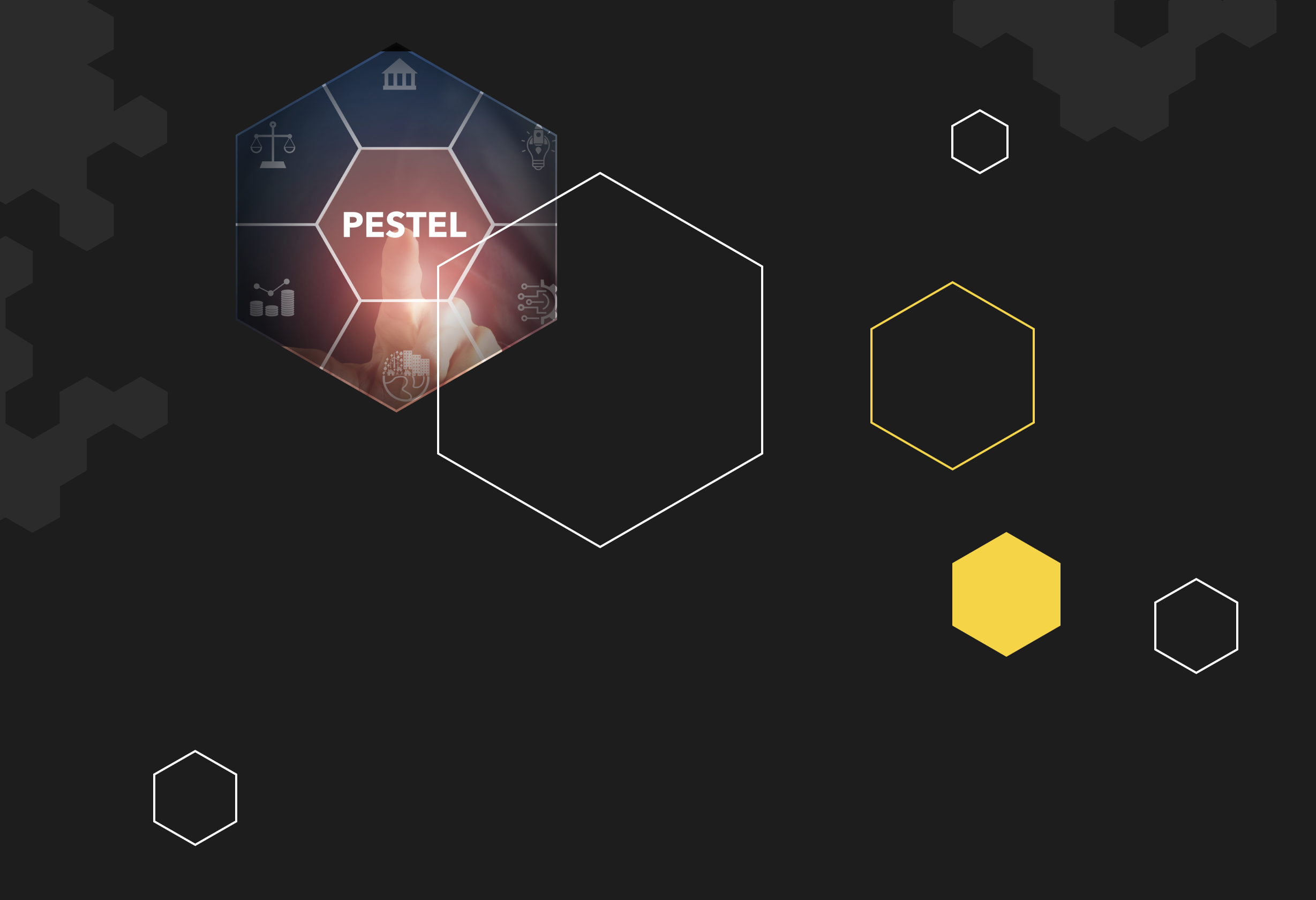
In the complex and ever-changing digital landscape, businesses must continuously adapt and innovate to stay competitive. One of the most effective tools for understanding the broader environmental factors impacting your business is the PESTLE analysis. Complementing the SWOT analysis, PESTLE provides a detailed understanding of the external factors influencing your strategic decisions. This guide will introduce you to the PESTLE framework and demonstrate how it can be used alongside SWOT analysis to shape your digital transformation strategy.
What is a PESTLE Analysis?
PESTLE analysis is a strategic management tool used to identify and analyse the external macro-environmental factors that can impact an organization. The acronym stands for:
Why Use PESTLE Analysis in Digital Strategy?
Although it is an older framework, PESTLE analysis remains incredibly useful for businesses embarking on digital transformation or innovation projects. It helps by:
- Providing Comprehensive Insight: Offering a broader view of external factors that can affect your digital strategy.
- Identifying Opportunities and Threats: Helps pinpoint external opportunities for growth and potential threats to mitigate.
- Supporting Informed Decision-Making: Enables data-driven strategic planning by highlighting critical external influences.
How to Conduct a PESTLE Analysis
Conducting a PESTLE analysis involves systematically evaluating each of the six factors to understand how they impact your business. Here’s a step-by-step guide to help you complete a thorough PESTLE analysis as part of your digital transformation strategy.
1. Political
Evaluate the impact of government policies, political stability, and regulations on your business. Consider:
- How do government regulations affect our digital initiatives?
- What political factors could influence our market entry or expansion?
2. Economic
Assess economic factors such as growth rates, interest rates, and inflation that could impact your business. Reflect on:
- How does the current economic climate affect our business?
- What economic trends should we be aware of?
3. Social
Analyse social trends, cultural norms, and demographic shifts that could influence your business. Ask yourself:
- What social trends are impacting our industry?
- How do demographic changes affect our customer base?
4. Technological
Examine the technological landscape, including advancements and innovations that could impact your business. Consider:
- What new technologies could benefit our digital strategy?
- How is technology evolving in our industry?
5. Legal
Identify the legal factors such as laws, regulations, and legal frameworks that affect your business. Reflect on:
- What legal regulations must we comply with?
- Are there upcoming legal changes that could impact us?
- Are we facing any legal risks?
6. Environmental
Evaluate environmental factors including sustainability issues and environmental regulations. Consider:
- How do environmental regulations impact our operations?
- What sustainability trends should we incorporate into our strategy?
PESTLE Analysis Template
Download our free PESTLE template to get you started:
Practical Tips for Conducting a PESTLE Analysis
When completing a PESTLE analysis consider these following points.
- Involve Experts: Consult with experts from different fields to get a well-rounded view.
- Use Reliable Data: Base your analysis on credible and up-to-date information.
- Regular Updates: Conduct PESTLE analyses periodically to stay current with external changes.
- Integrate with SWOT: Use PESTLE analysis to complement your SWOT analysis for a more comprehensive strategic view.
Example PESTLE Analysis for a General Business
Political:
- Favorable government policies for digital innovation
- Political stability in primary markets
Economic:
- Moderate economic growth
- Low interest rates encouraging investment
Social:
- Increasing demand for online services
- Growing focus on digital literacy
Technological:
- Rapid advancements in AI and machine learning
- Increased adoption of cloud computing
Legal:
- Compliance with data protection regulations
- Anticipation of new digital privacy laws
Environmental:
- Growing emphasis on sustainable practices
- Regulatory pressure to reduce carbon footprint
How PESTLE Complements SWOT Analysis
While SWOT analysis focuses on identifying internal strengths and weaknesses alongside external opportunities and threats, PESTLE analysis provides a deeper understanding of the broader environmental context. By combining both frameworks, businesses can develop a more robust and comprehensive digital strategy. For more detailed guidance on conducting a SWOT analysis, refer to our [SWOT Analysis Guide](#).
Conclusion
A PESTLE analysis is a powerful tool for any business aiming to navigate the complexities of digital transformation and innovation. By systematically evaluating political, economic, social, technological, legal, and environmental factors, you can make informed strategic decisions that align with your digital goals. This analysis not only helps in identifying external influences but also complements your SWOT analysis for a well-rounded strategic approach.
For tailored insights and expert guidance on conducting a PESTLE analysis as part of your digital transformation strategy, contact our team of digital consultancy experts.
---
This draft aims to maintain a sophisticated yet approachable tone, ensuring clarity and engagement for your target audience. Let me know if there are any specific adjustments or additional elements you'd like to include.